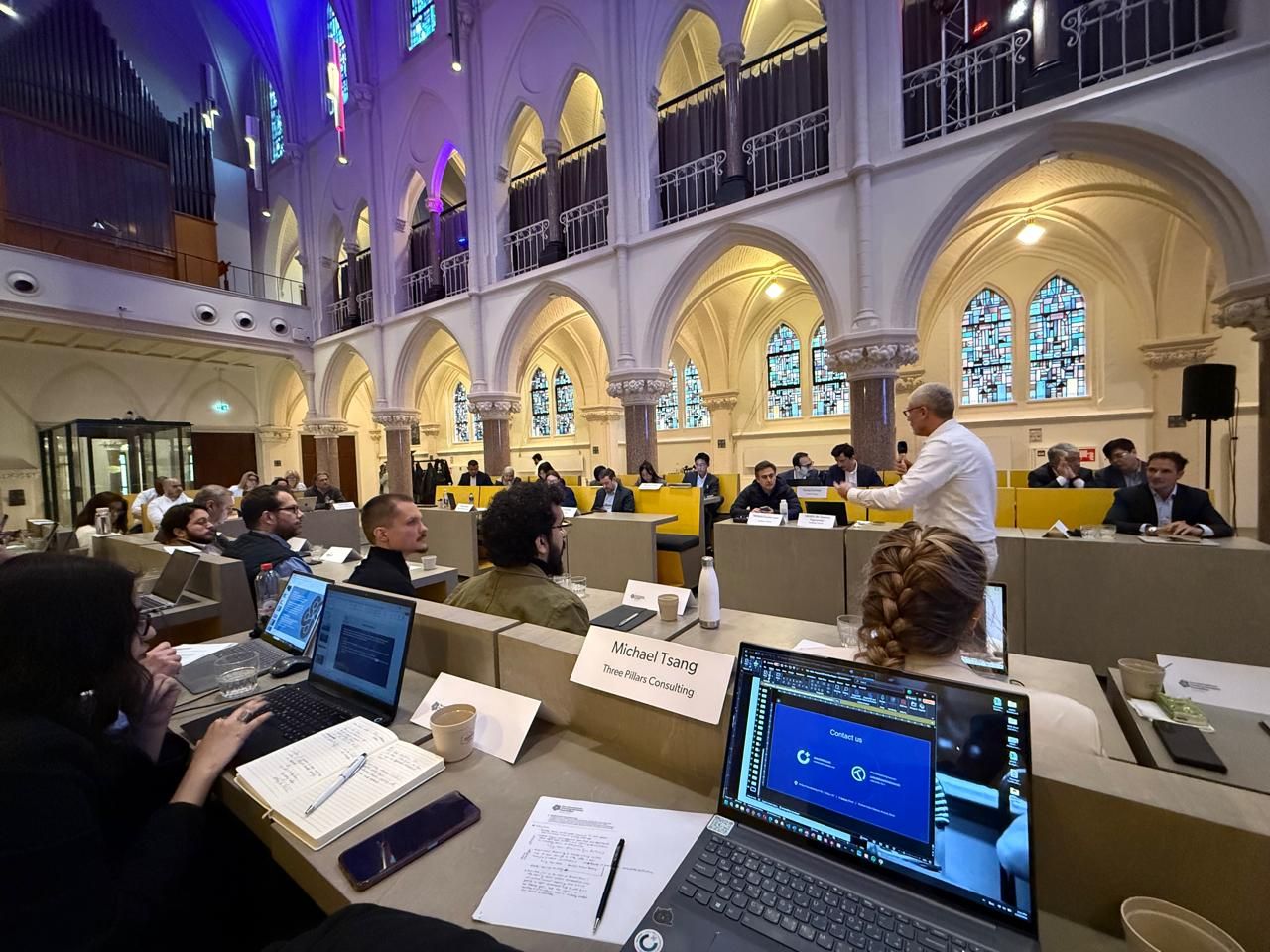
🌍 Just wrapped up a fruitful week of engagement at both the REC Market Meeting (2025) in Amsterdam and the I-TRACK (formerly I-REC) Issuer Meeting, which brought-forward key insights on where the world of energy and product-level attribute tracking is headed.
🔄 Renewable Energy Certificates (and Guarantees of Origin, GOs) are evolving fast. It’s increasingly clear that RECs are no longer just about electricity. They’re being reimagined for biogases, hydrogen, hydrogen derivatives, and even end-products (think Digital Product Passports). The REC Market Meeting showcased this transformation—especially during a key session on hydrogen, where Avance Labs showcased the use of the I-TRACK (HX) Certificate on three hydrogen projects in the hashtag
#UAE.
🕒📍 The technical landscape is also shifting—temporal matching (e.g., 24/7), geographical correlation, and life-cycle based metrics (e.g. carbon emissions) are beginning to challenge traditional assumptions about what makes a certificate “valid.” These themes echo the broader regulatory currents (e.g. RFNBO, CBAM), as well as the ongoing updates to disclosure frameworks such as the Greenhouse Gas Protocol (GHG Protocol)'s Scope 2 Guidance and its Corporate/Product Standards.
🌐 The I-TRACK Issuer Meeting was equally encouraging, where I represented Three Pillars Consulting in its capacity as the Local Accredited Issuer for hashtag
#Oman. It was great to see new issuers and markets joining the ecosystem, reflecting strong momentum behind the I-REC system. The meeting didn’t shy away from complexity either. Key debates covered residual mix calculations / deadlines, cross-border trade, CBAM implications, and how the I-TRACK Standard and Evident Registry are preparing for next-generation certificate tracking.
📈 Overall, a clear takeaway from both events was that the future of energy and product-level certificates is undergoing important developments that are underpinned by a heavily multi-sectorial, technology, and data-driven approach.